Best Time To Plant Roses According To The Lunar Calendar
Not sure when to plant roses by the lunar calendar? Get the full system: best phases, fertile signs, seasonal windows, and what to do when timing and weather disagree.
Apr 13, 2026136 Shares45.4K Views
I have my bare-root roses sitting in a bucket of water on my potting bench, all ready to go into the ground. I have already checked the dates for the last frost and prepared the soil. But before I pick up my trowel, I stop. I pull out a small moon calendar and decide to wait two more days for the moon to move into the right phase.
My neighbor thinks I am just being superstitious. Year after year, my roses are the healthiest and strongest on the street. Gardening by the moon is one of the oldest traditions in the world. People have practiced it for ages, from ancient Rome to rural France to indigenous communities across the Americas.
I am going to show you my system for planting roses by the moon. You will learn which moon phases and signs are best for roses, how to read a lunar calendar, and when to plant during the year. I will also tell you what to do when the moon is right, but the weather isn't cooperating.
Key Takeaways
- The best lunar phase for planting roses is the waxing crescent through the first quarter
- The best moon signs are Cancer, Taurus, Libra, and Capricorn
- Avoid planting during the waning moon, new moon, and barren signs such as Gemini, Virgo, Sagittarius, and Aquarius
- Spring (March through May) is the primary planting season; fall (September through October) is the secondary window
- When ideal lunar timing conflicts with frost or severe weather, prioritize frost-free conditions first
- Bare-root roses and container roses follow the same lunar principles but have slightly different seasonal windows
What Lunar Calendar Gardening Actually Means

Moon Planting And Gardening Guide | Moon Planting: Unlocking the Full Potential of Your Seeds
Lunar calendar gardening is the practice of timing planting, transplanting, pruning, and harvesting activities to align with the cycles of the moon. It is not a mystical system detached from practical gardening. It is a framework built on observable natural rhythms that experienced growers have applied for centuries.
The Four Moon Phases And What They Do
Phases of the Moon: Astronomy and Space for Kids - FreeSchool
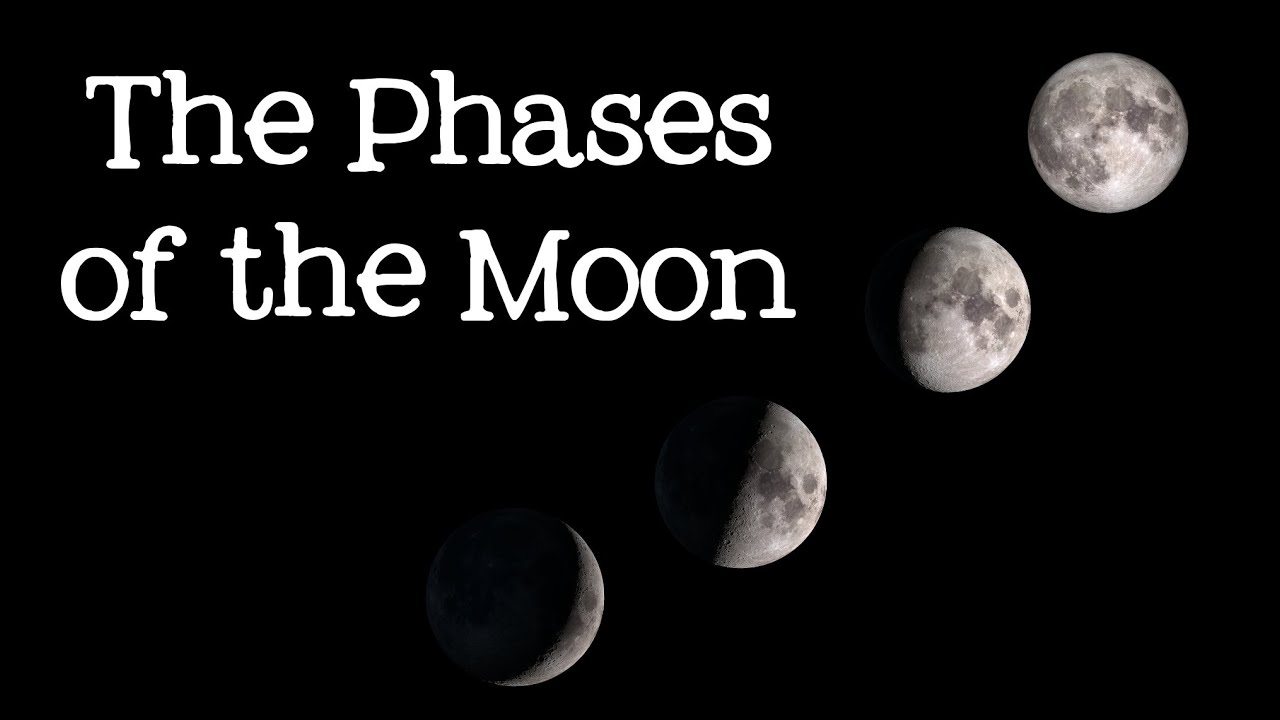
The lunar cycle runs approximately 29.5 days from one new moon to the next, passing through four distinct phases. Each phase carries specific associations in lunar gardening tradition:
- New moon:The lunar cycle begins. Energy is building underground. Traditionally used for soil preparation and planningrather than planting.
- Waxing crescent through first quarter:Moonlight increases. Sap rises, soil moisture increases near the surface, and germination energy is at its highest. This is the primary planting window.
- Full moon:Lunar energy peaks. Soil moisture is highest. Seeds germinate quickly, and root activity is strong. A secondary but highly valid planting window.
- Waning moon (third quarter through balsamic):Moonlight decreases. Energy shifts downward and inward. Better suited to root crops, pruning, and composting than to planting new specimens.
Moon Signs Vs Moon Phases: Understanding The Difference
This is where many beginner lunar gardeners get confused, and it is worth being clear. Moon phases track the visual cycle of the moon from new to full and back again.
Moon signs track which of the twelve zodiac constellations the moon is passing through at any given time, a cycle that completes roughly every 27.3 days, with the moon spending about two to three days in each sign.
Both systems run simultaneously and independently. A waxing moon might be in Cancer one week and in Aquarius another week, and the combination of phase and sign determines the quality of that day for planting. Reading only one without the other gives you half the picture.
Where Biodynamic Gardening Fits In
Biodynamic gardening, developed in the early twentieth century and formalized through the work of Rudolf Steiner and later popularized by Maria Thun's decades of field research, is the most structured application of lunar gardening principles.
Thun's research categorized planting days into four types based on the moon sign: root days, flower days, fruit days, and leaf days. Each type is considered favorable for the corresponding part of the plant.
Roses, as flowering plants, respond primarily to flower days and root days, with flower days supporting bloom quality and root days supporting establishment and longevity. This biodynamic framework is the backbone of the lunar rose plantingsystem in this guide.
Why Roses Respond Well To Lunar Timing
Not every plant category shows the same responsiveness to lunar timing, but flowering perennials like roses have a particularly strong alignment with the lunar system because of how their growth priorities shift between roots, stems, and blooms across the growing season.
How The Moon Influences Soil Moisture And Plant Growth
The moon's gravitational pull influences water on Earth in the same way it drives ocean tides. On a smaller but measurable scale, this gravitational pull affects moisture levels in the upper layers of soil. During the waxing and full moon phases, soil moisture near the surface is elevated, which supports germination, root expansion, and the uptake of nutrients.
Some horticultural researchers, including studies referenced in the journal Biological Agriculture and Horticulture, have observed measurable differences in germination rates and early growth vigor between plantings timed to lunar phases and control plantings.
Results are not universal across all studies, but the body of traditional evidence is substantial enough that serious biodynamic growers and several commercial rose nurseries apply lunar timing as a standard part of their planting protocols.
Roses As Flowering Plants: Why Phase Timing Matters
Roses invest significant energy in two phases of development: establishing a strong root system during early growth, and redirecting that energy upward into stem and flower production once established. These two priorities map neatly onto the lunar system.
Root development aligns with root days and stable earth signs, while flowering and vegetative energy align with flower days and the waxing moon's upward energy pull.
Planting a rose during a favorable lunar window essentially means giving both root development and eventual bloom energy the best possible starting conditions at once. When you choose a waxing moon day that also falls on a Cancer or Taurus moon sign, you are stacking favorable conditions rather than relying on a single factor.
The Best Moon Phases For Planting Roses
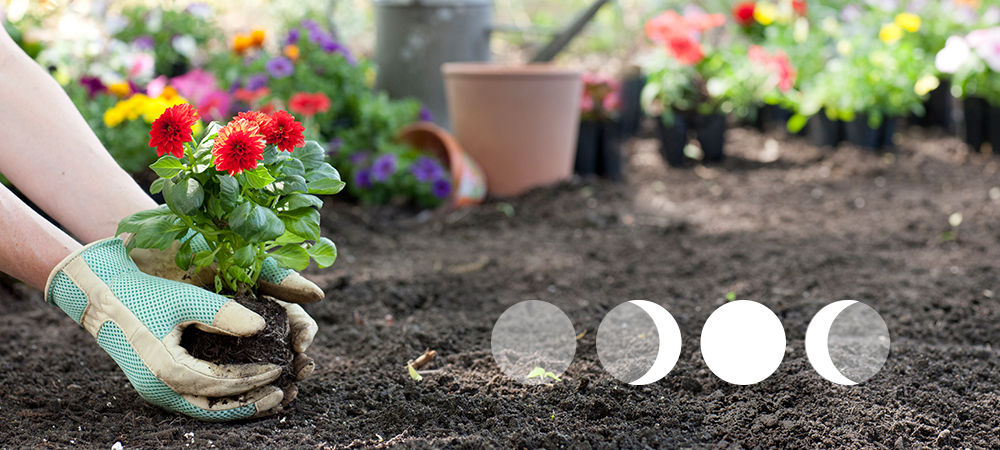
Choosing the right lunar phase is the first layer of the decision. Think of it as selecting the right season within the lunar month before you narrow down to the best specific day.
Waxing Crescent And First Quarter: The Primary Window
The period from the waxing crescent through the first quarter, roughly days three through seven of the lunar cycle after the new moon, is the single best window for planting roses.
Sap is rising, soil energy is building upward, and moisture availability near the root zone is at a productive level. Imagine a gardener timing a container rose transplant to this window. She plants in the waxing crescent phase on a Cancer moon day.
Within three weeks, the new growth breaks noticeably faster than a companion plant she put in two weeks earlier during a waning moon. This type of observation is common among gardeners who track their results against the lunar calendar over multiple seasons.
Full Moon: The Secondary Window
The full moon itself, and the day or two just before it, represent a secondary but highly productive planting window. Soil moisture peaks at this point, germination rates are at their highest, and root activity is vigorous. Many experienced lunar gardeners consider the two days before the full moon to be among the best planting days in the entire lunar cycle.
The full moon window lasts a short time, roughly two to three days around the peak, but it is particularly useful when the waxing crescent window was missed due to weather or other factors. If you are a day or two late for the first quarter phase, planting at the full moon is a strong alternative rather than waiting an entire additional cycle.
Phases To Avoid When Planting Roses
Two phases are consistently identified as unfavorable for planting new roses:
- New moon (first two days):Energy is at its lowest point. Soil moisture has receded. This is a rest and preparation phase, not a planting phase.
- Waning moon (after the full moon through the balsamic phase):Energy flows downward and inward during this phase, favoring root crops, pruning, and composting. Planting flowering plants during the waning moon is considered counterproductive in most lunar gardening traditions.
The waning moon is actually an excellent time to prune established roses, prepare beds, and apply compost, which makes it a productive gardening period overall, just not for new planting.
The Best Moon Signs For Planting Roses
Once you have identified a favorable moon phase window, the next step is confirming the moon sign. This narrows down a week-long waxing phase to the two or three days most specifically suited to roses.
The Four Fertile Signs For Roses

Four zodiac signs are traditionally considered fertile and favorable for planting flowering plants:
- Cancer:The single most fertile sign in lunar gardening. Associated with water, deep root development, and strong establishment. Excellent for both bare-root and container roses.
- Taurus:An earth sign associated with stability and sustained growth. Particularly good for roses that you intend to be permanent, long-lived fixtures in the garden.
- Libra:An air sign associated with flower quality and aesthetic growth. Strongly linked to flower days in the biodynamic calendar, making it one of the best signs specifically for bloom performance.
- Capricorn:An earth sign that supports strong root development and hardy establishment. Especially useful for late-season planting when root strength before dormancy is the priority.
When a waxing moon phase coincides with one of these four signs, you have identified a genuinely optimal planting day for roses.
Flower Days Vs Root Days: Which To Choose For Roses
A flower day occurs when the moon passes through an air sign: Gemini, Libra, or Aquarius. In biodynamic tradition, Libra is the only air sign considered fertile for planting; Gemini and Aquarius are barren. A root day occurs when the moon is in an earth sign: Taurus, Virgo, or Capricorn, with Virgo considered barren.
For roses, the practical recommendation is:
- Plant for bloom performance:Choose a Libra flower day during a waxing or full moon phase
- Plant for establishment and longevity:Choose a Cancer or Taurus root-adjacent day during a waxing phase
- Plant bare-root roses for maximum root strength:Choose Taurus or Capricorn during the waxing crescent
Neither flower days nor root days are wrong for roses. The choice depends on whether your primary goal is a spectacular first-year bloom display or a deeply established, multi-decade plant.
Barren Signs To Avoid
Four signs are consistently labeled barren across all major lunar gardening traditions and should be avoided when planting roses:
- Gemini:An air sign, but considered barren; poor germination and establishment rates reported
- Virgo:An earth sign, but dry and barren in tradition; associated with slow, weak growth
- Sagittarius:A fire sign associated with heat and drought stress in plants
- Aquarius:An air sign associated with dry, airy conditions, unfavorable for root development
If your only available planting window falls on one of these signs, wait for the moon to shift into the next sign, which typically takes two to three days.
Seasonal Timing: When To Plant Roses By Month
Best Time to Plant Roses
Lunar timing works within seasonal realities, not instead of them. The strongest results come from aligning a favorable lunar window with the right seasonal planting period for your climate zone.
Spring Planting Window (March Through May)
Spring is the primary planting season for roses in most of the Northern Hemisphere, and it offers the most favorable combination of lunar and seasonal conditions. The ground has thawed, soil temperatures are rising, and the long growing season ahead gives a newly planted rose maximum time to establish before dormancy.
The most productive spring lunar windows for roses fall in:
- March:Ideal for bare-root roses once the ground is workable. Target waxing moon days in Cancer or Taurus during the second or third week of the month.
- April:The peak lunar planting month for most Northern Hemisphere gardeners. Multiple waxing and full moon windows occur, and moon sign alignment with Cancer, Taurus, or Libra is easy to find.
- May:Still a strong planting window for container roses. Waxing moon phases in May align well with Libra and Cancer in most years.
Fall Planting Window (September Through October)
Fall is a secondary but genuinely productive planting window, particularly in climates where winters are mild. Roses planted in early fall have six to eight weeks to establish roots before the ground freezes, and the cooler temperatures reduce transplant stress significantly.
Target waxing moon windows in September and October on Cancer or Taurus sign days. Avoid planting container roses after mid-October in zones where ground frost arrives before November, as root establishment time becomes too short to be reliable.
A Note For Southern Hemisphere Gardeners
In the Southern Hemisphere, the seasons are reversed. Spring planting falls between September and November, and fall planting falls between March and April. The lunar phase and moon sign recommendations in this guide apply identically; only the calendar months shift. A Southern Hemisphere gardener targeting a spring Cancer moon planting day is looking at September and October rather than March and April.
Bare-Root Roses Vs Container Roses: Does Lunar Timing Differ?
The lunar principles are the same for both rose types, but the practical timing windows differ because bare-root and container roses have different establishment needs and seasonal availability.
Timing Bare-Root Rose Planting By The Moon
Bare-root rosesare sold and planted during dormancy, typically from late winter through early spring before the growing season begins. This narrow seasonal window means you are working with whatever lunar windows fall within roughly a six-week period.
For bare-root roses, prioritize the following:
- Target a waxing crescent to the first quarter phase for maximum root establishment energy
- Choose Cancer, Taurus, or Capricorn moon sign days to support root development over bloom
- Plant as soon as the ground is workable and frost risk is minimal, even if the lunar window is second-tier
- If a perfect waxing moon and Cancer sign alignment falls during a cold snap, wait for the next waxing phase rather than risking frost damage to exposed roots
Timing Container Rose Planting By The Moon
Container roses have a much longer planting window, typically from late spring through early fall, which gives you more flexibility to wait for an ideal lunar window. The roots are protected and established within the container, which means the primary lunar goal shifts from root establishment toward integrating the plant into the surrounding soil.
For container roses, aim for:
- A waxing crescent through full moon phasefor good establishment energy
- Libra or Cancer moon signdays to support both root integration and bloom development
- Avoid planting container roses during a heat wave, even if the lunar window is ideal; soil temperature stress overrides lunar benefits in extreme conditions
How To Read A Lunar Gardening Calendar For Roses
A lunar gardening calendar looks more complicated than it is once you understand what each column represents. Most quality lunar calendars, including the Old Farmer's Almanac lunar planting guide and the annual Maria Thun Biodynamic Calendar, use a consistent format.
What To Look For In A Lunar Calendar
When you open a lunar gardening calendar, identify these three things for each date:
- Moon phase indicator:Usually shown as a symbol or label telling you whether the moon is new, waxing crescent, first quarter, waxing gibbous, full, waning gibbous, third quarter, or balsamic
- Moon sign:The zodiac constellation the moon is transiting on that date, shown as a symbol or abbreviation
- Day type (biodynamic calendars only):Flower, root, fruit, or leaf, derived from the moon sign category
For rose planting, you are looking for dates where a waxing phasealigns with a Cancer, Taurus, Libra, or Capricorn sign, and where the day type is listed as flower or root. When all three align, that is your planting day.
Combining Phase, Sign, And Seasonal Data
The practical process for finding your ideal rose planting date looks like this:
- Identify your seasonal planting window based on your last frost date and rose type
- Open your lunar calendar and mark every waxing crescent through the first quarter phase within that window
- Check the moon sign for each of those days and highlight the ones falling in Cancer, Taurus, Libra, or Capricorn
- Check the weather forecast for those highlighted days and select the best available option
- If no ideal alignment exists within your seasonal window, choose the best available waxing phase day, even without ideal sign alignment
A reasonable lunar window is always better than no consideration at all. Waiting indefinitely for a perfect alignment at the expense of your seasonal window is counterproductive.
Step-by-Step: Planting Roses On A Favorable Lunar Day
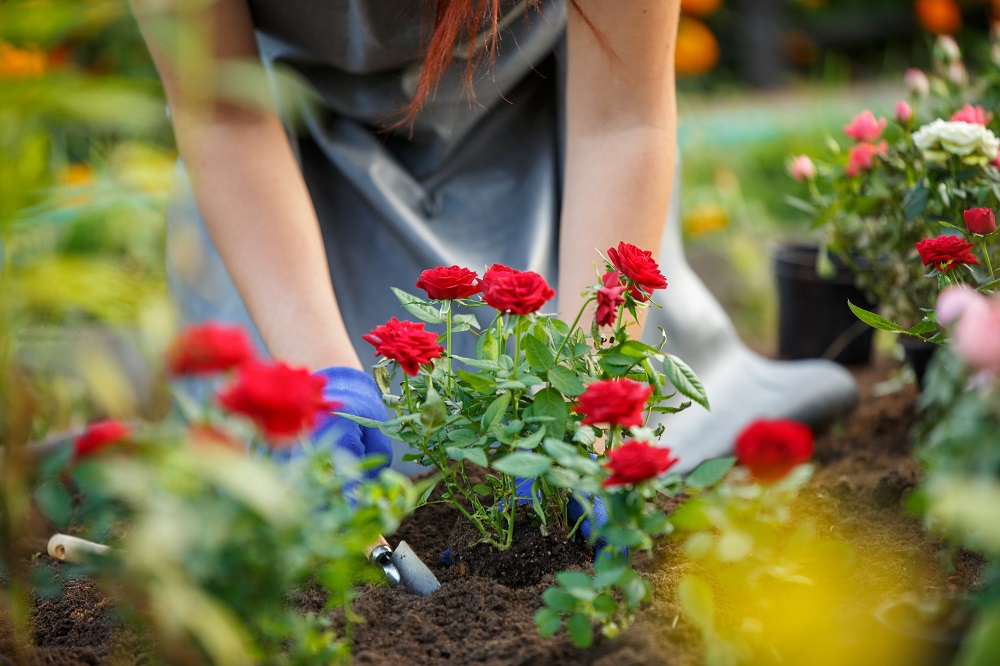
You have identified your lunar window. Your seasonal timing is right. Here is how to plant on the day itself to maximize the benefits of your chosen window.
Step 1: Prepare the bed two to three days before your chosen lunar day.Soil preparation is best done during the waning moon. Dig your planting hole, amend the soil with compost, and let it settle before planting day.
Step 2: Soak bare-root roses for 12 to 24 hours before planting.Place roots in a bucket of water the evening before your lunar planting day. Container roses need thorough watering the evening before.
Step 3: Plant in the morning or evening on your chosen lunar day.Avoid midday planting in warm seasons to minimize transplant stress. The lunar day itself runs from midnight to midnight, so any time during that calendar day applies.
Step 4: Set the rose at the correct depth.For grafted roses, the bud union should sit just below the soil surface in cold climates and just above in warm climates. For own-root roses, plant at the same depth as the container.
Step 5: Water thoroughly and consistently for the first two weeks.The lunar window supports establishment, but consistent moisture seals the benefit. Water deeply every two to three days for the first two weeks unless rainfall is substantial.
Step 6: Note the planting date and lunar conditions in a garden journal.Tracking your results against lunar conditions over multiple seasons is how lunar gardening knowledge deepens into genuine practical expertise.
See Also: How To Protect Roses From Pets
What To Do When Lunar Timing And Weather Conflict
The most common practical challenge that lunar gardeners face is a mismatch between the ideal lunar window and poor weather. It is an honest situation that deserves a direct answer.
The priority order is straightforward: frost safety first, soil conditions second, lunar timing third. No lunar calendar recommendationoverrides the risk of planting into frozen ground, a late frost, or waterlogged soil. A rose planted in ideal lunar conditions but destroyed by a frost two days later gains nothing from the timing.
When your best lunar window falls during unfavorable weather, identify the next available waxing moon period within your seasonal window and check whether a favorable moon sign aligns within that period. Lunar cycles repeat every 29.5 days, so a missed window is never more than two to three weeks away from the next reasonable opportunity. For container roses with a long planting window, the flexibility to wait an additional cycle is usually available without compromising seasonal timing.
If your seasonal window is genuinely closing, for example, a bare-root rose that must go in within the next week regardless of lunar conditions, plant on the best available waxing day even if the moon sign is not ideal. A waxing Scorpio day is better than a waning Libra day, and a prompt planting in adequate conditions outperforms a perfect lunar day missed entirely.
Frequently Asked Questions
What Is The Best Time To Plant Roses According To The Lunar Calendar?
Plant roses during the waxing crescent through the first quarter phase when the moon is in Cancer, Taurus, Libra, or Capricorn. Spring and early fall offer the best seasonal alignment with these lunar windows.
Which Moon Phase Is Best For Planting Roses?
The waxing crescent through the first quarter is the primary window. The two days before the full moon are a strong secondary option. Both support upward growth energy and strong establishment.
What Moon Signs Should I Avoid When Planting Roses?
Avoid Gemini, Virgo, Sagittarius, and Aquarius. These are considered barren signs that produce weak germination, poor root development, and slow establishment across most lunar gardening traditions.
Can I Plant Roses During A Full Moon?
Yes. The full moon is a valid planting window, particularly the 24 to 48 hours just before peak. Soil moisture is highest at this point, and germination energy is strong.
What Is The Difference Between A Flower Day And A Root Day For Roses?
A flower day, tied to air signs, especially Libra, favors bloom development and flower quality. A root day, tied to earth signs like Taurus and Capricorn, favors root strength and long-term establishment. Both are useful for roses at different growth stages.
Does Lunar Gardening Actually Work For Roses?
Traditional practitioners and biodynamic growers report consistent improvements in establishment and bloom quality when lunar timing is applied. Scientific research shows mixed results, but the practice has enough observational support to be worth applying as a complementary tool.
How Often Do Ideal Lunar Planting Windows Occur?
A waxing phase occurs every two weeks within the lunar cycle. Favorable moon sign alignment within that window narrows the opportunity to two to three specific days. Over a full season, multiple ideal windows are available.
What If I Miss The Ideal Lunar Window?
Wait for the next waxing phase, which arrives within two weeks. If your seasonal window is closing, plant on the best available waxing day regardless of moon sign rather than risk losing your planting season entirely.
Final Thoughts
Planting roses with the lunar calendar is not about superstition or rigid rule-following. It is about paying closer attention to the natural rhythms that have guided experienced growers for generations and using that attention to stack favorable conditions in your favor.
The system above, layering moon phase, moon sign, and seasonal timing together, gives you a framework that is specific enough to be genuinely useful and flexible enough to accommodate the realities of weather, availability, and a busy life.
You will not always hit a perfect three-factor alignment, and that is fine. Even working with one or two favorable factors is a meaningful improvement over random planting. Start with your lunar calendar, mark your waxing windows, check the moon signs, and let the rest of your good gardening practice do what it always does.
You Might Like: Top Rose Gardens Around The World
Jump to
Key Takeaways
What Lunar Calendar Gardening Actually Means
Why Roses Respond Well To Lunar Timing
The Best Moon Phases For Planting Roses
The Best Moon Signs For Planting Roses
Seasonal Timing: When To Plant Roses By Month
Bare-Root Roses Vs Container Roses: Does Lunar Timing Differ?
How To Read A Lunar Gardening Calendar For Roses
Step-by-Step: Planting Roses On A Favorable Lunar Day
What To Do When Lunar Timing And Weather Conflict
Frequently Asked Questions
Final Thoughts
Latest Articles
Popular Articles