How To Make Natural Rose Perfume At Home (5 Easy Methods)
Make natural rose perfume at home with 5 simple methods. Learn easy steps to create your own signature scent using fresh roses and natural ingredients.
Apr 07, 20268.7K Shares195.5K Views
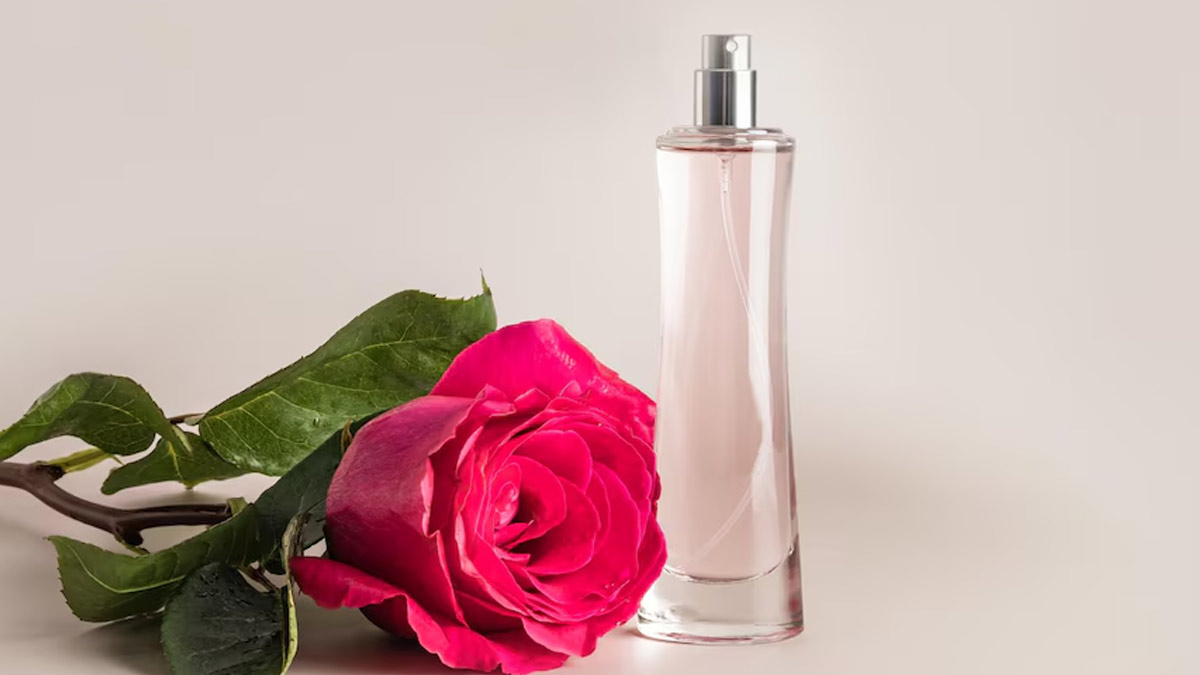
Make Your Own Natural Rose Perfume At Home (No Chemicals)
The scent of fresh roses is more than just pleasant; it’s timeless, calming, and deeply romantic. For thousands of years, people have used rose petals to create natural perfumes, from ancient Egypt to modern-day beauty routines. And now, with growing interest in clean, chemical-free living, homemade rose perfume is making a powerful comeback.
Making natural rose perfume at home isn’t just easy, it’s also rewarding. With the right method and ingredients, you can create a personal scent that smells rich, soft, and entirely your own. It lasts on the skin, feels luxurious, and avoids the harsh synthetic notes found in most commercial perfumes.
This step-by-step guide shows you 5 methods of making natural rose perfume at home and which roses work best. You’ll also learn how to extract their scent and make it last longer on your skin.
The Science Of Rose Fragrance
Understanding rose fragrance chemistry turns perfume-making into more than just a DIY project it becomes a science-backed art. The rose’s scent comes from key compounds like β-phenylethyl alcohol (the sweet “classic” rose note), citronellol (a dewy, fresh floral tone), geraniol (bright green top notes), and β-damascenone, which adds richness. Each of these molecules plays a unique role in shaping the full rose aroma.
When you make perfume at home, natural extraction methods like infusing petals in alcohol or oil preserve these delicate compounds in ways synthetic perfumes can't. Alcohol tends to pull lighter, more volatile notes like geraniol and linalool, making your perfume smell fresh and airy. Oil infusions capture heavier molecules, giving the scent more depth and lasting power. Even temperature and steeping time affect which compounds come through strongest.
Your skin’s chemistry influences how these molecules behave. Your pH level, natural oils, and even your diet can change the way a perfume smells and lasts. That’s why a homemade rose perfume becomes truly personal, not just because you made it, but because it reacts uniquely with your body.
There are five proven methods to make natural rose perfume at home, each offering a unique scent, texture, and lasting power depending on your ingredients and method.
Method 1: Classic Alcohol Extraction (Modern Enfleurage)
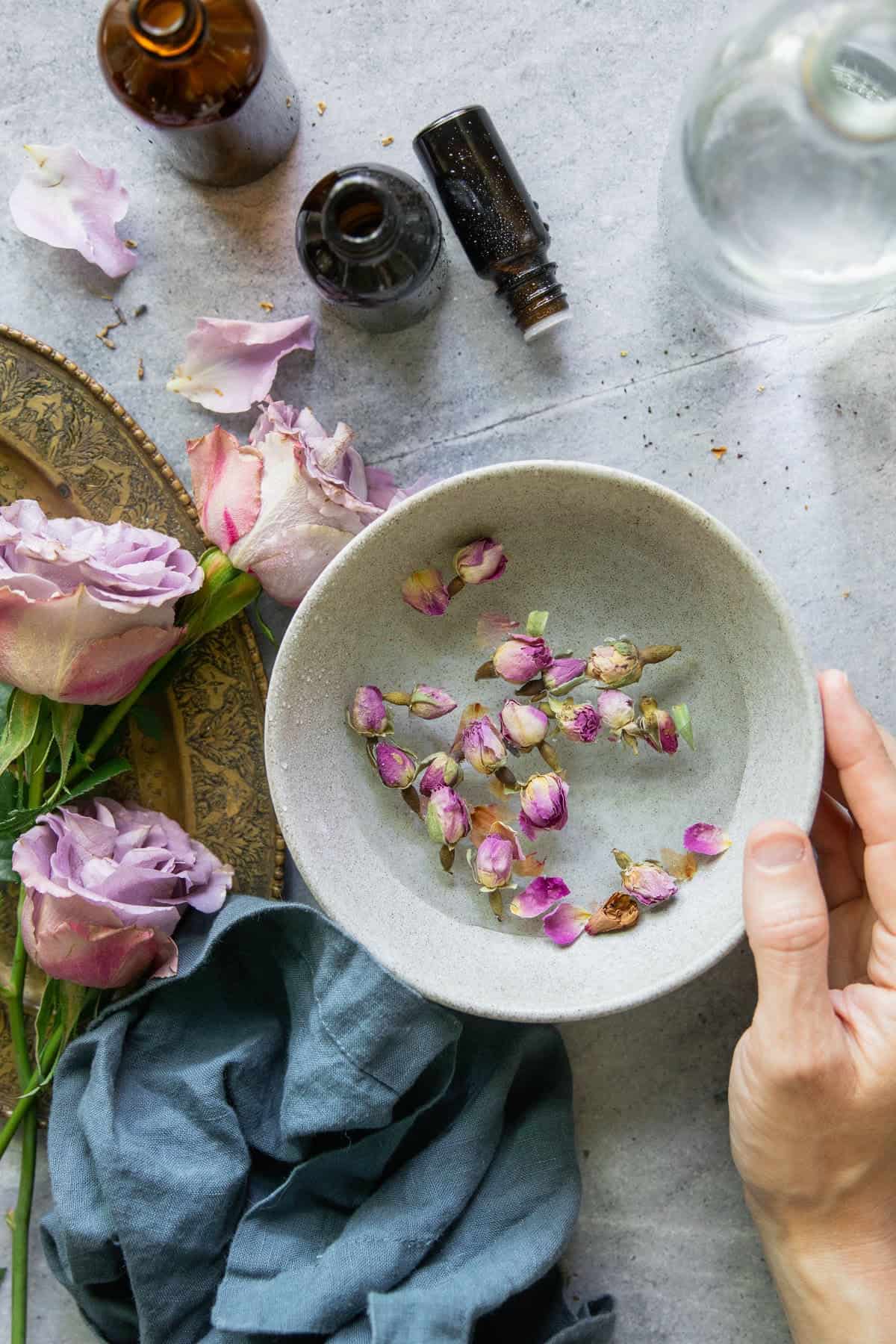
This traditional technique, refined for modern home use, creates the longest-lasting and most complex rose perfumes. Alcohol's molecular structure makes it an excellent solvent for both water-soluble and oil-soluble fragrance compounds.
Materials Needed:
- 2 cups fresh rose petals or 1 cup dried
- 2 cups high-proof vodka (80+ proof) or perfumer's alcohol
- Large glass jar with tight-fitting lid
- Fine mesh strainer or cheesecloth
- Dark glass bottles for storage
- Labels for dating
Step-by-Step Process:
Begin by gently cleaning fresh petals with a soft brush to remove insects and debris. Avoid washing with water, which can dilute the final product. Lightly bruise petals between clean fingers to break cellular walls and release oils.
Pack petals into your glass jar, filling it approximately two-thirds full. Pour alcohol over petals until completely submerged with one inch of liquid above the petal level. This prevents mold growth and ensures complete extraction.
Seal tightly and store in a cool, dark location. Daily agitation for the first week helps initial extraction, then weekly shaking suffices. The extraction period ranges from 4-6 weeks, with longer periods yielding stronger fragrances.
Strain through fine mesh, pressing petals to extract maximum liquid. For crystal-clear perfume, perform a second straining through coffee filters. The resulting perfume can be used immediately but improves with 2-4 weeks of aging.
Expected Results:This method produces eau de parfum strength fragrances (15-20% fragrance compounds) with excellent longevity and complex scent development throughout the day.
Method 2: Oil Infusion Technique

DIY Rose Oil with Glycerine Lotion and Moisturizer
Oil infusions create rich, concentrated perfumes perfect for those preferring alcohol-free formulations. The lipophilic nature of carrier oils extracts different compounds than alcohol methods, resulting in deeper, more sensual fragrances.
Carrier Oil Selection Guide:
Jojobaoil, technically a liquid wax, most closely mimics skin's natural sebum and has indefinite shelf life. Sweet almond oil provides excellent penetration and light texture but requires refrigerated storage. Fractionated coconut oil remains liquid at all temperatures and has natural antimicrobial properties.
Cold Infusion Method:
Fill a clean glass jar one-third with rose petals. Cover completely with chosen carrier oil, ensuring no petals remain exposed. Seal and place in a sunny window for 2-4 weeks, shaking daily during the first week.
Solar Infusion Technique:
Place sealed jars in direct sunlight during peak sun hours, bringing them indoors at night. This concentrated heat extraction reduces infusion time to 7-14 days while creating more intense fragrances.
Strain through fine mesh lined with cheesecloth, pressing petals thoroughly. The resulting oil should have a deep color and intense fragrance. Store in dark glass containers to prevent rancidity.
Shelf Life Optimization
Add vitamin E oil (0.5% of total volume) as a natural antioxidant. Properly made and stored oil perfumes last 12-18 months without degradation.
Method 3: Rose Water & Glycerin Blend
This alcohol-free alternative creates gentle perfumes suitable for sensitive skin while maintaining good fragrance projection. Glycerin acts as both a solvent and fixative, helping fragrance compounds adhere to skin.
Materials Required:
- 1 cup pure rose water (homemade or high-quality commercial)
- 2 tablespoons vegetable glycerin
- 10-15 drops rose essential oil (optional for intensity)
- 1 teaspoon high-proof alcohol (as emulsifier)
- Spray bottles for application
Creation Process:
Warm rose water gently (never boil) to approximately 100°F. Dissolve glycerin completely in warm rose water. If using essential oil, first dissolve it in a small amount of alcohol, then blend it into the rose water mixture.
Allow to cool completely before bottling. This method creates perfumes with 2-4 hour longevity, perfect for frequent reapplication throughout the day.
Natural Preservatives:Add a few drops of grapefruit seed extract or rosemaryoleoresin to extend shelf life to 3-6 months when stored in the refrigerator.
Method 4: Solid Perfume Creation
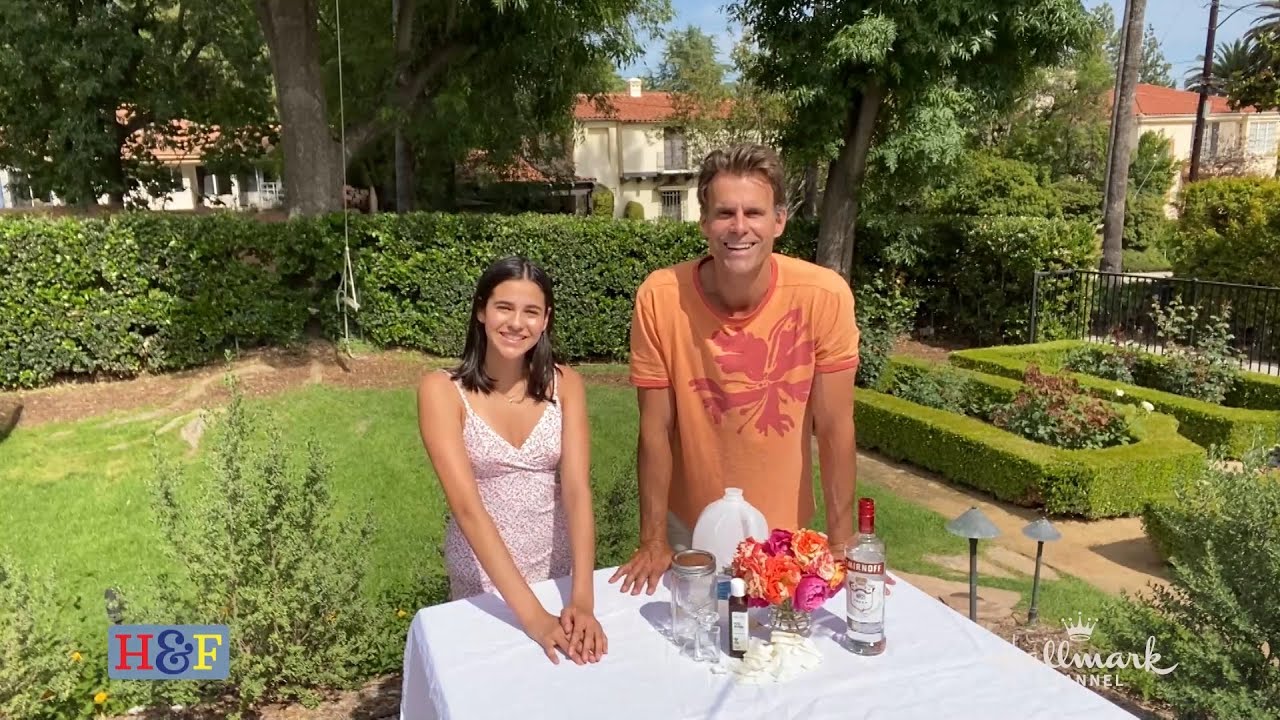
At Home With Our Family - Rose Perfume - Home & Family
Solid perfumes offer portability and precision application while creating intimate, close-to-skin fragrances. The wax base acts as a fixative, extending fragrance longevity compared to alcohol-based formulations.
Base Formula:
- 3 tablespoons rose-infused carrier oil
- 1 tablespoon beeswax (or carnauba wax for vegan option)
- 10-20 drops additional rose essential oil
- Small tins or lip balm containers
Melting And Mixing Process:
Create rose-infused oil using Method 2, straining thoroughly to remove all plant material. In a double boiler, melt beeswax completely. Remove from heat and immediately stir in infused oil until fully combined.
Add essential oils during the cooling phase when the mixture reaches approximately 120°F. This temperature preserves volatile compounds while ensuring proper incorporation. Pour into containers before the mixture sets.
Customization Options:Add complementary essential oils like bergamot (5 drops) for brightness or sandalwood (3 drops) for depth. Natural colorants like beetroot powder can enhance visual appeal.
Method 5: Advanced Steam Distillation
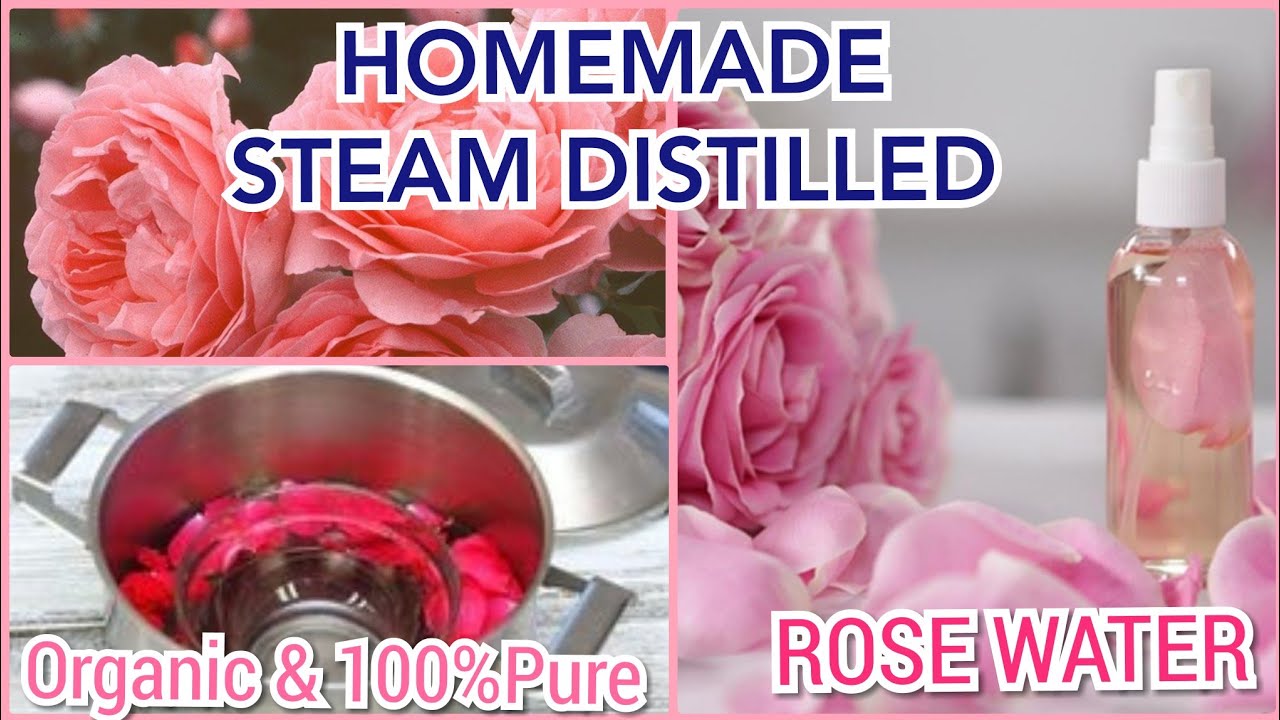
HOMEMADE ROSE WATER|Use waste roses for Steam Distilled 100% Pure organic rosewater
Home steam distillation creates true rose hydrosol and essential oil, representing the most authentic perfume-making technique. While requiring more equipment, this method produces professional-quality results.
Equipment Setup:
- Large stainless steel pot with tight-fitting lid
- Heat-resistant glass bowl (slightly smaller than pot)
- Ice and towels for condenser setup
- Collection containers
- 4-6 cups fresh rose petals
Safety Considerations:
Ensure proper ventilation and never leave the distillation unattended. Use only stainless steel or glass components that contact plant material. Monitor temperature carefully to prevent overheating, which destroys delicate compounds.
Distillation Process:
Place rose petals in the pot bottom with just enough distilled water to cover. Position the collection bowl in the center, elevated above the water level. Invert the pot lid to create a condensation surface, securing with ice on top.
Maintain a gentle simmer for 45-90 minutes. The inverted lid collects steam, which condenses and drips into the collection bowl. The resulting liquid separates into hydrosol (rose water) and essential oil.
Yield Expectations:Expect 1-2 ounces of hydrosol per cup of petals, with essential oil yield varying dramatically based on rose variety and freshness. Even small amounts of home-distilled rose oil create incredibly potent perfumes.
Choosing The Perfect Roses
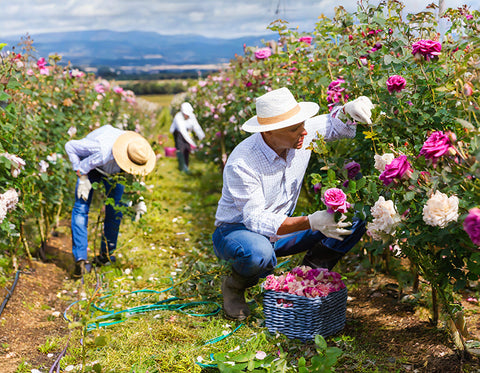
The foundation of exceptional rose perfume lies in selecting roses bred for fragrance rather than visual appeal. Modern hybrid roses, while stunning, often sacrifice scent for size and color saturation. Understanding the types of rosesthat produce the most aromatic compounds such as Damask, Centifolia, or certain heirloom varieties will dramatically improve your perfume quality.
Best Rose Varieties For Perfume Making
Damask Roses: The Gold Standard
Damask roses, particularly those from regions like Taif in Saudi Arabia, produce extraordinarily fragrant oils that command premium prices in natural perfume markets. These ancient varieties, cultivated for over 1,000 years, have been selectively bred specifically for their intense fragrance rather than appearance.
The classic Rosa damascenaoffers the perfect balance of all major fragrance compounds. Damask roses set the standard for what rose fragrance should be and have served as the basis for perfumes and oils since the Middle Ages. For home perfumers, varieties like 'Rose de Resht' provide full, deep fuschia blooms with a luscious damask scent.
Gallica Varieties: Historical Significance
Rosa gallica officinalis, known as the Red Rose of Lancaster, represents one of the oldest cultivated roses in existence. These dark red varieties typically contain the highest concentrations of color-contributing anthocyanins alongside potent fragrance compounds. The deeper the petal color, the more intense the extracted fragrance will be.
Centifolia: The Ultimate Luxury
Rosa centifolia, also known as Rose de Mai, produces an absolute with a rich, sweet, true and deep rose scent described as tenacious. These "hundred-petaled" roses create the most complex fragrance profiles, though they require more petals to achieve the same extraction strength as Damask varieties.
Modern Fragrant Hybrids
For those without access to antique varieties, modern fragrant roses like 'Fragrant Cloud,' 'Dublin,' and 'Royal Highness' have been specifically selected for their strong, vivid scents. Bourbon roses like 'Zephirine Drouhin' offer unmatched spicy, fruity fragrances and work exceptionally well for perfume creation.
Harvesting Timing & Techniques
The timing of your rose harvest dramatically affects fragrance potency. Rose petals contain maximum essential oil concentrations in early morning, typically between 6-8 am, after the dew has evaporated but before the day's heat begins breaking down volatile compounds.
Seasonal considerations matter equally. Roses harvested during their peak blooming period, usually late spring to early summer, contain higher concentrations of fragrance compounds than those picked during secondary flushes. Commercial rose cultivation demonstrates that gathering flowers requires intense manual labor and optimal timing for maximum yield.
Select petals that feel substantial and oil-rich to the touch. Avoid petals with brown edges or those that feel papery, as these have already lost significant volatile content. The ideal petal should release fragrance when gently bruised between your fingers.
Fresh Vs Dried: When To Use Each
Fresh petals provide the brightest, most vibrant fragrance profiles and work best for alcohol extractions and oil infusions. They contain maximum water-soluble compounds and create perfumes with complex top note development.
Dried petals offer advantages for solid perfumes and when fresh varieties aren't available. The drying process concentrates certain compounds while eliminating others, creating a different but equally valid fragrance profile. Properly dried petals (dried slowly at low temperatures) retain most fragrance compounds for months.
Store dried petals in airtight containers away from light to preserve fragrance integrity. Quality dried rose petals should still release noticeable fragrance when crushed, indicating preserved essential oilcontent.
Storage, Application & Longevity Tips
Storing your homemade rose perfume the right way helps it last longer and smell better over time. Heat, light, and air can break down the natural fragrance, especially the fresh rose notes.
Best Way To Store Your Perfume
- Use dark glass bottles like amber, cobalt blue, or dark green. These protect your perfume from sunlight, which can damage the scent.
- Keep perfumes in a cool, steady place. Don’t leave them in warm spots like bathrooms, windowsills, or inside your car. A closet or a basement is usually ideal.
Choose The Right Bottle
- Spray bottles are great for alcohol-based perfumes and help you apply just the right amount.
- Roll-on bottles work best for oil-based perfumes. They let you control where and how much you apply.
- Solid perfumes should be kept in small airtight containers, like tins or lip balm tubes. This keeps them fresh and easy to carry.
How To Apply For Best Results
- Apply perfume on pulse points: wrists, neck, behind the ears, and inner elbows. These spots give off more heat, helping the scent last longer.
- Don’t rub your wrists together after spraying. This can crush the fragrance and make it fade faster.
- For oil-based perfumes, warm the bottle in your hands before using. It helps the scent spread better.
Natural Ways To Make Scents Last Longer
- Add a little orris root powder (about 1 teaspoon per cup of petals) during the making process. It helps hold the scent longer.
- Benzoin resin is another natural fixative. It has a soft, sweet smell and helps lighter notes stick to the skin. Just mix it with alcohol first.
How Long Your Perfume Will Last
- Alcohol-based perfumes can last 3 to 5 years if stored well and they often get better with time.
- Oil-based perfumes stay fresh for 12 to 18 months.
- Glycerin-based perfumes last 3 to 6 months and should be kept in the fridge.
If your perfume starts to smell strange or sour, it’s a sign it has gone bad and should be replaced.
People Also Ask
What’s The Difference Between Rose Water And Rose Perfume?
Rose water is a gentle, water-based extract mainly used for skincare or cooking. Rose perfume is stronger, made with alcohol or oils, and meant for fragrance.
Which Roses Are Best For Homemade Perfume?
Damask, Centifolia, and Bulgarian roses are ideal due to their strong fragrance and high oil content. Fresh, pesticide-free petals give the best results.
Can I Make Perfume With Dried Rose Petals?
After drying the rose petals, place them in a sealable container. Add half a cup of dried lavenderand essential oils (rose and lavender). Close the container and shake. Leave for one or two days. Shake again. Open to release the delightful aroma, and add any additional oils or perfumes as desired.
How Can I Make It Last Longer On Skin?
Apply right after moisturizing. Use a little glycerin or a base note like sandalwood. Storing perfume in a cooler spot helps preserve the scent so it stays stronger when you use it.
Final Thoughts
Making natural rose perfume at home isn’t just about the scent, it’s about learning, creating, and expressing yourself. Each method, from alcohol extraction to oil infusion and steam distillation, gives you different ways to enjoy the beauty of roses.
Mistakes are part of the process, so don’t worry if your first tries aren’t perfect. Keep notes, learn from each batch, and improve over time. Your homemade perfumes tell a story of your effort, your memories, and your connection to nature.
Start small and build your skills. And don’t forget, these perfumes make great personal gifts that show thought and care, more than anything you can buy in a store.
Jump to
Make Your Own Natural Rose Perfume At Home (No Chemicals)
The Science Of Rose Fragrance
Method 1: Classic Alcohol Extraction (Modern Enfleurage)
Method 2: Oil Infusion Technique
Method 3: Rose Water & Glycerin Blend
Method 4: Solid Perfume Creation
Method 5: Advanced Steam Distillation
Choosing The Perfect Roses
Storage, Application & Longevity Tips
People Also Ask
Final Thoughts
Latest Articles
Popular Articles